Practical Guide to Low-Impact Living: Simple Steps for a Greener Home
Discover approachable strategies to reduce your environmental footprint at home. This guide offers practical, implementable steps across energy, waste, water, and everyday purchases to support a more sustainable lifestyle.
A Vogue Moment with Everyday Eco-Chic
In the spirit of Vogue's editorial cadence, sustainable living is not just a set of actions—it is a lifestyle narrative. Think of your home as a runway for responsible choices: fabrics that breathe, appliances with finesse, and habits that whisper rather than shout. This guide invites you to curate a low-impact home with the same care you devote to a wardrobe upgrade—timeless, intentional, and decidedly stylish.
Five-Step Framework for a Greener Home
-
Energy efficiency: The backbone of low-impact living. Insulate, optimize appliances, and embrace smarter power use.
-
Mindful purchasing: Choose durable, repairable goods with transparent sustainability standards.
-
Waste reduction: Prioritize reduction, reuse, and responsible recycling or composting.
-
Water conservation: Save every drop with low-flow fixtures, smart irrigation, and mindful washing routines.
-
Community engagement: Local initiatives, ethical brands, and shared resources amplify impact.
Quick Wins This Week
Small, high-impact steps that fit into a busy lifestyle:
- Seal leaks and upgrade door thresholds to reduce drafts; the payoff is immediate on heating bills.
- Switch to LED lighting across the home and use smart plugs to prevent standby energy drain.
- Replace disposable cleaning products with refillable, non-toxic alternatives in reusable packaging.
- Install a water-saving aerator on faucets and a low-flow showerhead to cut consumption without sacrificing comfort.
- Bring in one eco-friendly product this month—invest in quality materials with repairability and longevity in mind.
Longer-Term Shifts That Don’t Break the Budget
Adopting sustainable habits over time builds an elegant, resilient home. Consider these paths:
- Invest in efficiency: Heat pumps, solar-ready upgrades, and superior insulation deliver long-term savings and comfort.
- Rethink fabrics: Switch to natural, durable textiles for bedding and upholstery that age gracefully and reduce chemical exposure.
- Upgrade gradually: Replace single-use items with durable, repairable alternatives in a phased approach to minimize budget strain.
- Build community: Join local repair networks, upcycle groups, and climate-action communities to share knowledge and resources.
Feature Focus: The Role of Bedding in Low-Impact Living
The bed is where comfort meets care for the planet. Selecting bedding that lasts, uses natural materials, and supports clean production makes a quiet but powerful statement about your values. Consider materials like down that is responsibly sourced, organic cotton shells, and textiles produced with low emissions. The goal is not perfection but progress—a wardrobe for your sleep that reflects a commitment to the earth.
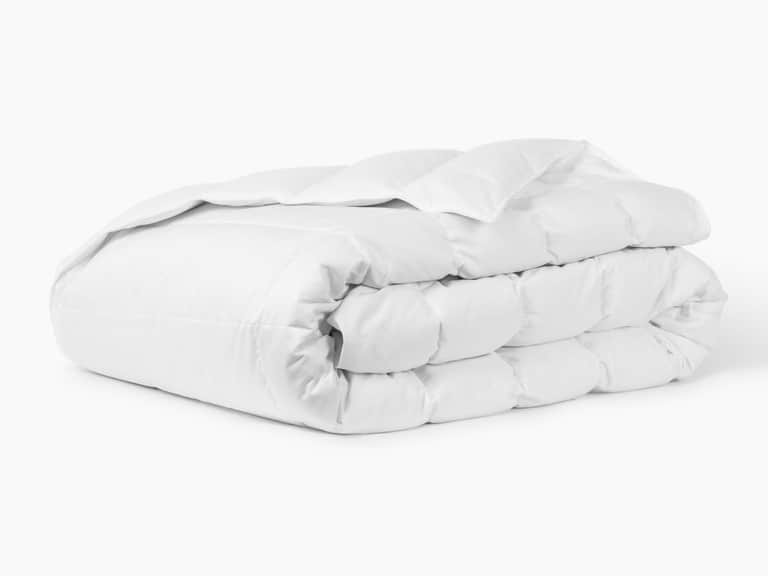
St Geneve Ziegler Goose Down Duvet
Filled with Polish goose down of exceptional loft, the Ziegler duvet embodies warmth without weight. The 400-thread-count cotton sateen cover frames a comforter designed to be passed down through generations.
Price: 1149.00
St Geneve Lajord Down Duvet
A Canadian goose down marvel with 850 loft and a 400-thread-count sateen cover. An heirloom piece crafted to endure with a sealed baffle construction.
Price: 738.00
Note: Both options emphasize ethical sourcing and long-lasting design. When possible, pair with a washable duvet cover to protect the fill and extend the life of the duvet.
Editorial Spotlight: Three Key Figures Shaping Low-Impact Living
Rachel Carson (1907–1964)
A pioneer of modern environmental thought, Carson’s advocacy for clean oceans, air, and soil laid the groundwork for systemic thinking about sustainability. Her legacy invites households to consider how everyday choices—from cleaning products to energy use—impact ecosystems far beyond the home.
Impact: Inspired policy shifts and a culture of precaution in consumer behavior.
Jane Goodall (born 1934)
A luminary in wildlife conservation, Goodall’s work underscores the interconnectedness of nature and human well-being. Her approach champions habitat protection, ethical travel, and community science—principles that translate into home practices like supporting local conservation efforts and choosing eco-conscious products.
Impact: Shifted public perception toward sustainable living as a daily responsibility.
Jane Jacobs (1916–2006)
Urbanist thinker who celebrated community-driven change, Jacobs emphasized the value of local networks, walkable neighborhoods, and shared resources. Her ideas resonate with today’s focus on local eco-initiatives, repair cafes, and neighborhood exchanges that reduce waste and foster resilience.
Impact: Reframed urban living as a canvas for sustainable, social design.
Community and Local Action: Making It Real
Low-impact living flourishes where communities share knowledge, skills, and resources. Look for opportunities to join local repair shops, clothing swaps, and makerspaces that celebrate durable goods and reimagined consumption. Supporting local brands with transparent supply chains not only reduces carbon footprints but also reinforces a culture of accountability and beauty in everyday objects.
Practical Product-Informed Guidance
When selecting bedding and home textiles, consider lifecycle impact as a core criterion. The St Geneve Ziegler Goose Down Duvet and the Lajord Down Comforter exemplify how luxury can coexist with responsible sourcing and enduring quality. Look for certifications, ethical standards, and repairability in product narratives. A durable duvet is not a disposable item but a long-term companion that elevates sleep while honoring the planet.
Ziegler Goose Down Comforter: A Case Study in Longevity
With Polish down and a sealed baffle box, this comforter maintains loft and warmth for years. The heavy-quality cotton shell and meticulous construction reduce the need for frequent washing, extending its life while preserving thermal performance.
Lajord Down Comforter: Ethical Luxury
Canadian down, 850 loft, and a 400-thread-count cotton sateen cover offer exceptional warmth without bulk. Its dual-zone design (where applicable) and robust care guidelines demonstrate how luxury items can be both lavish and responsibly produced.
A Practical Blueprint for Your Home
Putting theory into practice requires clarity and momentum. Below is a compact blueprint to guide your first 30 days, followed by a longer-term roadmap for sustainable transformation.
30-Day Action Plan
- Audit energy use: note devices on standby, identify top heat losses, and replace/repair as needed.
- Swap to LED lighting and add smart plugs to curb phantom loads.
- Introduce one eco-friendly product line, such as organic cotton bedding with responsible down options.
- Start a home-water assessment: fix leaks, install aerators, and set a realistic usage target.
12-Month Transformation Roadmap
- Upgrade insulation and consider a heat pump for efficient climate control.
- Adopt a repair-first mindset: repair, refurbish, or upcycle before buying new.
- Curate a local ecosystem: support nearby eco-friendly businesses and participate in community initiatives.
- Track progress with a simple dashboard: energy, waste, water, and purchases.
Conclusion: Crafting a Green, Glamorous Home
Low-impact living is not about deprivation; it is about refinement, intention, and celebration of the things that truly matter. By embracing energy efficiency, mindful purchasing, waste reduction, water stewardship, and community engagement, you create a home that is equal parts runway-ready and planet-friendly. The journey is ongoing, elegant, and deeply personal—much like fashion itself.
As you refine your home, remember that the most glamorous choices are often the simplest: a durable duvet with ethical origins, a water-conscious routine, and a willingness to repair and reuse. In this way, sustainable living becomes a lifestyle of confidence, beauty, and enduring value.
References to Consider
- Ethically sourced down and organic materials from trusted brands, including St Geneve and The Clean Bedroom collections.
- Educational foundations in environmental advocacy from iconic figures like Rachel Carson, Jane Goodall, and Jane Jacobs.
- Local community initiatives and repair networks that empower residents to extend product lifecycles.
About the Author
This article blends editorial flair with practical guidance for modern eco-conscious readers. It aims to translate the language of high design into actionable, everyday steps that honor both style and the planet.