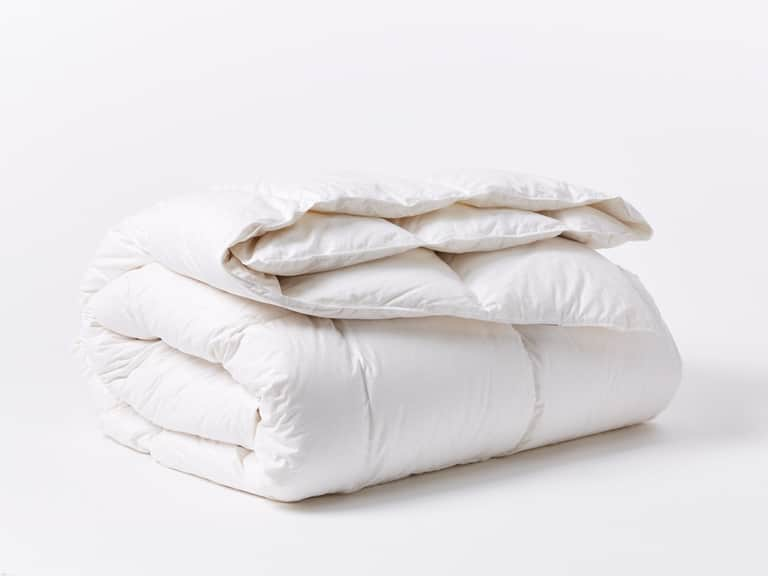
Cloud 700- Best for: A Lofty, Luxurious Feel Without Excess Warmth

Eiderdown.org: A Quiet Manifesto for Textile Knowledge

In an age of noise, the domain eiderdown.org invites a different kind of listening: a deep, patient examination of natural fibers, ethical sourcing, and the craft of making warmth. It is not a storefront, but a study; not a brand, but a chorus of experts, historians, farmers, and designers who unlock the poetry of down, wool, and cotton. This feature unfolds a pathway for a site oriented toward education, craft, and cultural memory, with a nod to the tangible luxury of comfort and the ethical obligations that accompany it.

Foundations of a Domain: Meaning, History, and Intent

The word “eiderdown” conjures a soft alchemy: fluff that can cradle a night’s rest, the way a trusted paragraph can cradle an argument. Translating that tactile sense into a website requires a deliberate stance: focus on material science, sourcing ethics, and the human stories behind fiber production. This would not be a glossy gallery of product pages, but a living archive of knowledge—definitions, processes, case studies, and dialogue with practitioners.

The site’s guiding metaphor is warmth with restraint: a humane, scientifically grounded resource that treats textiles not as mere commodities but as vessels of culture, geography, and care. In practice, that means explainers that unpack fill powers, fiber properties, and shell fabrics; glossaries that demystify terms like baffle-box construction, Cradle to Cradle ethics, and Responsible Down Standard (RDS); and long-form essays that connect northern ecologies with cottage industries and archival literature.

Direction A: Textiles, Natural Fibers, and Materials Education

The primary direction centers on textiles as living systems. Eiderdown.org could host in-depth explainers that trace the journey from farm to fiber to finished product, with particular attention to ethical sourcing, sustainability, and the science of insulation. Articles might cover:

  • The properties of natural fibers: wool, cotton, goose down, eiderdown, milkweed fiber, and more.
  • Comparative guides for consumers: natural vs. synthetic fillings; loft, warmth, and breathability; care and longevity.
  • Ethical frameworks: Responsible Down Standard (RDS), organic certifications, farm welfare audits.
  • Production storytelling: cottage industries, regional craft traditions, and the living economies of textile towns.

This direction invites a catalog-like yet narrative approach—long-form explainers that illuminate a single material in depth, followed by concise glossary entries, and then practitioner interviews that bring texture to the theory.

Direction B: Cultural, Historical, and Northern Heritage

Northern ecosystems, Arctic climates, and rural crafts offer a rich tapestry for exploration. Eiderdown.org can curate essays, timelines, and resource lists that trace climate-adapted living, storytelling through textiles, and the rituals of seasonal maintenance in lodges, cottages, and communal houses. Topics might include:

  • Folklore and textile traditions of Nordic and Arctic communities.
  • Historic trade routes and the migration of textile techniques across northern Europe.
  • Architectural and interior design legacies—how materials shape the mood of a space and influence well-being.
  • Literary and cinematic reflections on northern hospitality and cozy living.

The cultural direction complements the material focus by weaving memory, place, and craft into accessible, deeply sourced content. It invites collaboration with historians, anthropologists, and curators, as well as readers who bring personal knowledge and recommendations to the conversation.

Direction C: Comfort, Sleep, and Cozy Living (A Well-Being Lens)

A softer, more aspirational direction is possible: a wellness-leaning guide to rest, seasonal routines, and the art of creating a restful environment. But even here, the philosophy remains grounded in material literacy and ethical concerns. Content could include:

  • Sleep science basics tied to bedding materials and climate control.
  • Guides for choosing bedding that prioritizes breathability and thermal comfort.
  • Seasonal care calendars for textiles and home interiors.
  • Interviews with sleep researchers, interior designers, and textile conservators.

The key is a measured voice that avoids over-claim and leans on credible sources, translating scientific nuance into accessible language while preserving the domain’s sense of calm and thoughtful authority.

Three Key Figures Across Time

To anchor the discussions in tangible human voices, we can imagine conversations with three imagined interlocutors who stand in for broader currents in textile history and science. Each represents a thread in the tapestry the site seeks to weave.

The 19th-Century Field Naturalist

A figure who travels the frost-bitten edges of Europe, noting how down quality changes with geography, weather, and handling. This persona would document the dawn chorus of farm life, the rhythms of harvest, and the quiet ethics of animal welfare in an era before modern certifications.

Selected insight: Observations on down supply chains and the human labor behind textiles in a pre-regulatory era.

The Nordic Cultural Historian

A scholar who maps the relationship between northern crafts and identity, tracing how motifs, loom techniques, and fiber choices shape regional life. This voice anchors the cultural dimension of eiderdown, connecting textile practice with storytelling, music, and home.

Selected insight: The persistence of cottage industry techniques as living heritage.

The Contemporary Ethical Scientist

A modern advocate for transparent supply chains, responsible down sourcing, and sustainable fiber science. This voice grounds the site in current debates about animal welfare, environmental stewardship, and consumer education.

Selected insight: The practical implementation of RDS and industry-wide certification processes.

A Proposed Site Structure: Categories and Page Outlines

A thoughtfully organized site gives readers an orbit around core questions: what is this fiber, how is it made, and why does it matter? The following outline offers a practical skeleton:

  • Glossary of Textile Terms: A living glossary with plain-language definitions and cross-references to deeper explainers.
  • Material Deep Dives: Separate pages for eiderdown, wool, cotton, hemp, and milkweed fiber, each with properties, care guides, and sourcing ethics.
  • Sourcing Guides: Ethical sourcing best practices, supplier profiles, and checklists for responsible buyers and designers.
  • Case Studies: Small-batch farms, cottage workshops, and regional textile traditions with narrated tours and Q&As.
  • Interviews: Advocates, farmers, historians, scientists, and designers who illuminate the field from multiple vantage points.
  • Resource Library: Books, museums, courses, and digital archives worth consulting for serious learners.

The editorial cadence could pair evergreen explainers with seasonal essays, ensuring the site remains a reliable, growing archive rather than a momentary trend.

This article is a meditation on textiles as culture, crafted with the careful attention of a New Yorker essayist. The Cloud 700 product is introduced as a tangible example within the editorial frame, highlighting the intersection of craft, ethics, and comfort.

Related Products

Cloud 700- Best for: A Lofty, Luxurious Feel Without Excess Warmth

Ogallala Comfort Company

Cloud 700- Best for: A Lofty, Luxurious Feel Without Excess Warmth

Experience luxurious warmth without overheating: a breathable 50/50 milkweed and goose down fill in a soft cotton sateen shell, baffled loft for even warmth, corner loops for easy duvet security, and cruelty-free, hypoallergenic comfort you can feel every night.
Winter Weight Down Duvet Insert

Coyuchi

Winter Weight Down Duvet Insert

Luxuriously warm yet light, this duvet uses 600-fill-power down in a soft organic cotton shell with stitch-through boxes for even loft from start to finish, easy cold wash care, and trusted USA-made quality.
DownTown Company Villa Goose Down Comforter

DownTown Company · No. TCB-COMFORTER-MADISON

DownTown Company Villa Goose Down Comforter

Experience lightweight, breathable warmth all year with even loft, plush softness, and a tailored look. European down, durable cotton cover, and double-stitched piping keep you cozy, cool, and comfortably supported night after night.

Theme