Blankets and quilts add a layer of warmth and comfort to bedding, with their construction and materials influencing weight, feel, and insulation. They may be used on their own or layered with sheets, pillows, and comforters to suit changing temperatures. Understanding material properties helps people choose bedding that fits their sleep preferences and household needs.
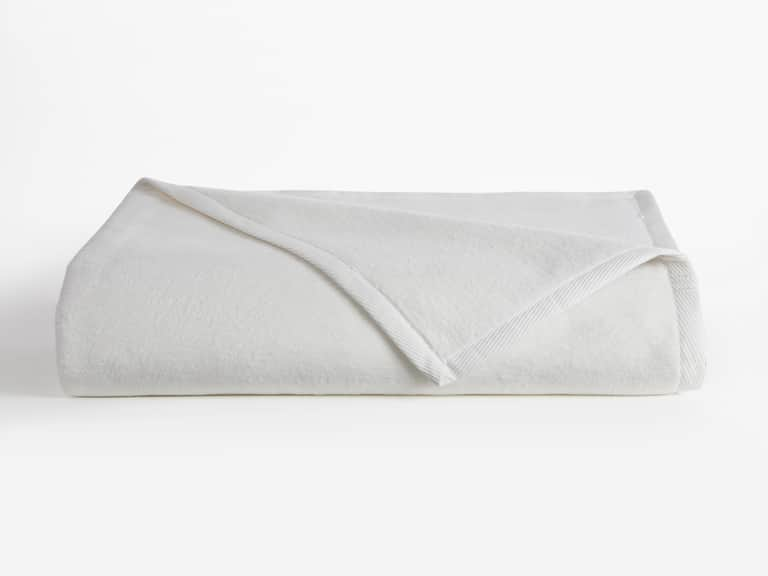
The Downtown Company Silk Blanket is a silk bedding option, with silk known for its smooth, lightweight feel and ability to help manage warmth. These qualities can make a silk blanket useful as a standalone cover in mild conditions or as a layer beneath heavier bedding. Its distinct texture also offers an alternative to traditional down comforters.
Blankets and quilts differ in construction: blankets are generally single layers of woven or knitted material, while quilts commonly feature stitched layers that hold a filling in place. These structural differences affect insulation, drape, and care requirements. Comparing fabric, thickness, and stitching can clarify how each type may complement existing bedding and pillows.
Material selection is relevant to comfort and maintenance. Silk, cotton, wool, and synthetic fibers each have different textures, warmth, and care needs, so product instructions should guide cleaning and storage. People considering organic mattresses may also compare bedding materials for compatibility with their preferences, while keeping in mind that a product’s fiber claims should be verified individually.
When assessing blankets and quilts, consider room temperature, seasonal use, desired weight, and how the layer will fit with sheets and comforters. A lightweight silk blanket may suit flexible layering, while a thicker quilt can provide additional insulation. These practical factors help explain the role of each bedding layer in a comfortable sleep setup.
 Bedding