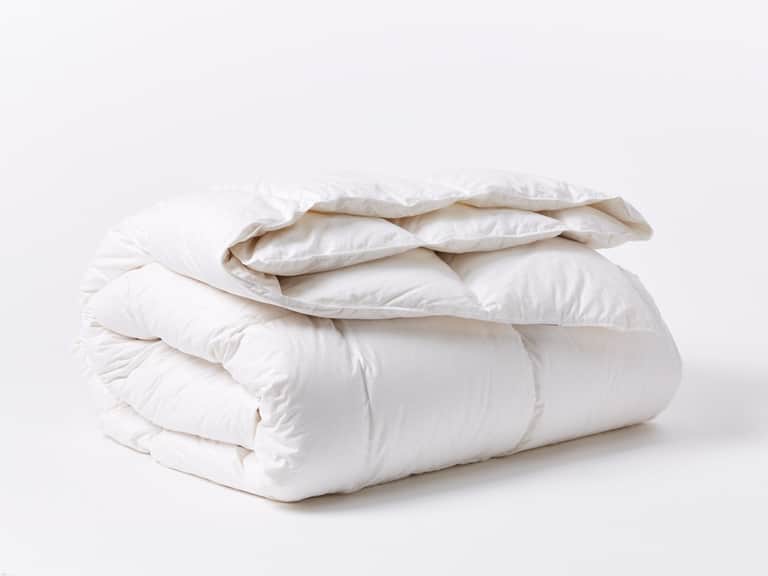
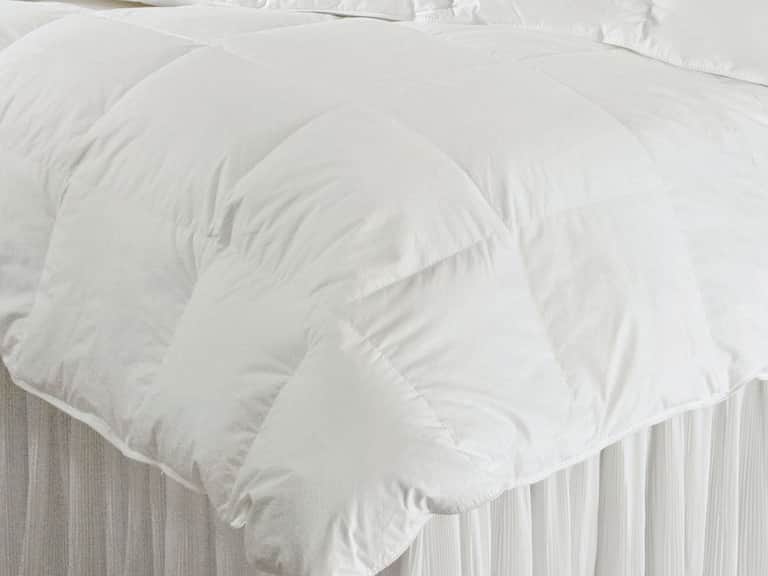
The word down evokes pillows and comfort, but in the bedding market it also signals a complex ecosystem: farms, certifications, processing facilities, and international supply chains. When you buy a duvet insert or a pillow, you’re not simply selecting warmth; you’re choosing a set of ethical commitments. Among the most widely used assurances is the Responsible Down Standard (RDS), a framework that requires traceability of the down from live birds to the finished product, along with independent auditing to guard animal welfare.
This article surveys how three brands articulate their sourcing and design ethos, and why those choices matter for readers who care about sustainability, science, and serious craftsmanship. We’ll also introduce a product from the Cloud 700 line — a duvet insert that embodies a philosophy of high loft without excess warmth — to illustrate how innovation can align with responsibility.
A Guide to Reading Down Labels: What to Look For
A responsible purchase starts with a clear understanding of fill, shell, and construction. Here are the core elements to inspect:
- Fill power and type: Higher fill power typically means loftier warmth with less weight, but not all loft is equal. Distinguish between goose down, duck down, and blends, and check fill power ratings (e.g., 600, 700, 800).
- Shell fabric and finish: The shell’s weave count and fiber choice (organic cotton, sateen, or lyocell) impact breathability and care requirements.
- Construction: Box or baffled-box construction prevents fill from shifting, maintaining even warmth across the night.
- Certifications and audits: Look for Responsible Down Standard (RDS), third-party welfare audits, and certifications like OEKO-TEX or GOTS in the broader product line.
- Ethical claims and sourcing transparency: Brands that disclose farm practices, traceability, and partnerships with responsible suppliers earn higher trust.
Three Time-Tested Perspectives: Voices Across Eras
Ethical sourcing sits at the intersection of science, culture, and daily life. To illuminate this, we turn to three key figures from different periods who wrestled with what “comfort” means in a broader sense:
- Margaret Washburn (19th–20th centuries): a pioneer in animal welfare advocacy whose concerns about treatment in farming and textile industries prefigured modern welfare standards. Her insistence on humane practices echoes in today’s supply-chain audits and ethical certifications that protect workers and animals alike.
- Linus Pauling (20th century): a scientist whose insistence on verification and consensus-building underpins industrial hygiene and safe textile production. The ethos of rigorous testing and measurable claims informs how we assess fiber science, fill power, and the environmental footprint of fabrics.
- Aristotle’s empirical spirit alive in contemporary craft (Ancient–Modern dialogue): the idea that practical wisdom (“phronesis”) and craft knowledge—like cottage industry textile making—still matters in evaluating sustainable practices and the quality of looms, dyes, and down processing today.
Three Brands as Case Studies in Ethical Sourcing
The following profiles illustrate how brands translate ethical commitments into product design, labelling, and care guidance.
Naturepedic: Organic Our Way
Naturepedic stands out for its organic cotton shell and GOTS-certification across several Duvet Insert lines. Their materials approach centers on non-toxic processes and transparent labelling. The Naturepedic Organic Down Duvet Insert combines premium down with a certification stack designed to reassure eco-conscious consumers. The emphasis on organic cotton and safe chemical profiles is not merely marketing; it’s a lived practice with measurable outcomes for indoor air quality and sleep health.
DownTown Company: Villa Down and the Broader Capsule
The Villa Goose Down Comforter exemplifies a seasoned studio approach to loft, warmth, and durability. With an 80% European white down fill and a 10-inch box construction, it balances durable loft with a lighter feel. The brand leans into a “lived-in luxury” story — a design language that aligns premium materials with everyday usability, and a careful hand in stitching, piping, and fit to duvet covers. The care instructions emphasize longevity, sustainable cleaning practices, and responsible sourcing.
The Clean Bedroom: Cloud 700 and Milkweed-Inspired Ethics
The Cloud 700 line, offered by The Clean Bedroom, is a striking example of modern down-alternative innovation that also foregrounds ecological stewardship. The Cloud 700 blends 50% milkweed fiber with 50% white goose down to deliver a loft that feels luxurious without overheating. The product’s care and certification notes—OEKO-TEX Standard 100—signal a thoughtful approach to safety and sustainability. The design also nods to biodiversity in its milkweed initiative, linking sleep comfort with monarch butterfly habitats.
Care Guidelines: Maintaining Loft with Integrity
Responsible care is as essential as responsible sourcing. Across brands, common threads emerge:
- Use a duvet cover and a protective pillow protector to minimize wash frequency and reduce wear on the shell and fill.
- Spot cleaning for small stains, with professional cleaning when necessary for woven fabrics or delicate down fills.
- Avoid agitation and high heat when washing, which can damage down clusters or synthetic fills.
- Air out duvets after cleaning to re-fluff and restore loft before reuse inside a duvet cover.
Product Spotlight: Cloud 700 — Loft Without Excess Warmth
The Cloud 700 is a notable example of how modern materials science can produce a premium feel without heavy warmth. A 50/50 blend of milkweed fiber and white goose down is housed in a cotton sateen shell, offering a breathable, soft surface. The 50/50 blend is deliberately balanced to provide a luxurious loft while avoiding overheating—an ideal option for temperate climates or for sleepers who run warm. The Cloud 700’s construction includes baffled box segmentation and corner loops, ensuring that loft remains even and fill stays in place within a duvet cover. The OEKO-TEX Standard 100 certification adds a layer of assurance about chemical safety in textiles.
The aesthetic is understated luxury: a soft, breathable surface that invites rest without the heaviness of more traditional down fills. The milkweed infusion acknowledges a biodiversity angle, aligning comfort with environmental stewardship. This synergy of science, design, and ethics makes Cloud 700 more than a product; it’s a narrative about modern sleep culture.
A Practical Sourcing Checklist for Readers
- Inspect the fill material and power: If a label reads “600+ fill power Polish white goose down,” research the farm’s welfare policies and processing standards. Compare to “800+ fill power Siberian white goose down” for warmth-per-loft tradeoffs.
- Verify shell materials: Organic cotton, cotton sateen, and lyocell (TENCEL) shells each bring distinct breathability and care needs. Choose according to climate and washing facilities.
- Check for RDS certification and third-party audits: RDS is a baseline, but supplementary farm-level audits increase confidence.
- Consider the construction: A 12- or 15-inch baffled box improves fill distribution, especially in heavier duvet inserts designed for cold nights.
- Assess care instructions: Some duvets require professional dry cleaning; others are machine-washable with proper guidance. Weigh convenience against longevity.
A Final Note on The Domain Eiderdown.org
If Eiderdown.org becomes a home for discussions about materials science, rural crafts, and sustainable sourcing, the site could serve as an educational gateway that connects textiles to broader cultural and ecological narratives. The name speaks of comfort and craftsmanship and, when paired with credible sourcing, becomes a beacon for thoughtful, informed readers who want to understand the materials that cradle their sleep.
Editorial
By a contemporary writer with a New Yorker sensibility